

Imagine working from your cozy corner at home, managing tasks for clients worldwide. That’s the magic of being a virtual assistant today. It’s flexible, rewarding, and in high demand—but it’s not as easy as it sounds. To truly succeed remotely, you’ll need more than just a laptop and internet connection. Organization, communication, and a few innovative strategies can make all the difference.
This blog shares 10 essential tips to help you provide top-notch virtual assistant service remotely. By applying these tips, you can stand out in a competitive market and grow your freelance or remote career with confidence. Let’s dive into the key practices that lead to success.
What is Virtual Assistant Service?
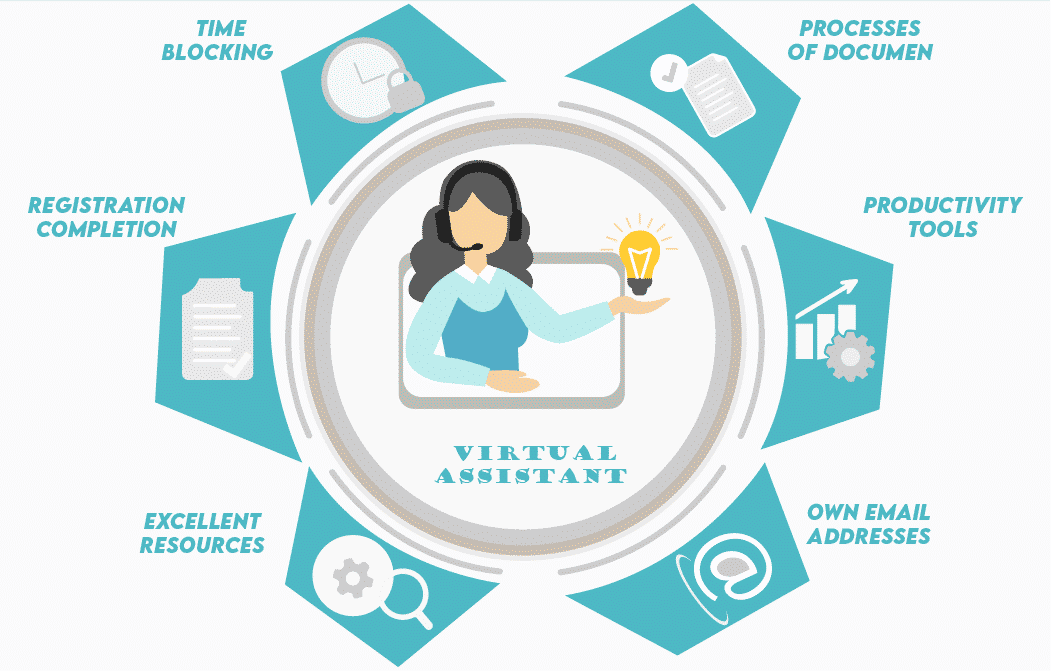
Virtual assistant service is a form of remote support where skilled professionals assist businesses or individuals with various tasks. These assistants work from home or any remote location using internet-based tools. Their services range from handling emails and scheduling appointments to managing data and providing customer support.
Many entrepreneurs, startups, and even large companies rely on virtual assistants to reduce workload and save operational costs. Since VAs are hired on flexible terms, businesses can get expert help without the expense of full-time staff or office space. This makes virtual assistant services highly efficient and cost-effective.
Virtual assistants often specialize in various areas, including social media management, bookkeeping, content creation, and technical support. Their primary role is to streamline tasks and boost productivity remotely.
How to Provide Virtual Assistant Service Remotely?
In the growing world of remote work, virtual assistant (VA) services have become a popular and essential solution for businesses worldwide. Providing these services remotely offers flexibility and global reach; however, success requires a strategic approach, specialized skills, and practical tools. Whether you’re just starting out or looking to improve your virtual assistant (VA) service, understanding the key steps is crucial for long-term growth and client satisfaction.
Here’s a step-by-step guide to help you succeed in this flexible and growing field:
Understand the Role of a Virtual Assistant
A virtual assistant provides remote administrative, technical, or creative support services to clients. Responsibilities may include managing emails, scheduling appointments, bookkeeping, data entry, social media management, or customer service. Understanding your strengths and the types of services you can offer with confidence is the first step in building a successful virtual assistant (VA) career.
Choose Your Services and Target Market
Decide on the services you’ll offer based on your skills. For example:
- Administrative support (email, scheduling, data entry)
- Creative tasks (content creation, design, copywriting)
- Technical services (basic website maintenance, CRM management)
Identify your ideal client—whether it’s a small business owner, a coach, or an e-commerce company—and tailor your services to meet their specific needs.
Set Up a Professional Remote Workspace
Working remotely requires a reliable setup. Make sure you have:
- A stable internet connection
- A quiet, organized workspace
- A laptop or desktop with updated software
- Essential tools (headset, webcam, backup storage)
Professionalism begins with being well-equipped to handle tasks without interruption.
Improve Communication and Time Management
Clear communication is key to a successful VA-client relationship. Be responsive, use professional language, and always clarify doubts before starting tasks. Time management tools help track work hours and ensure deadlines are met without burnout.
Set Your Rates and Service Terms
Decide whether you’ll charge hourly, per project, or offer packages. Research industry rates to remain competitive. Additionally, establish clear terms regarding payment methods, turnaround times, and client communication policies.
Focus on Client Satisfaction and Retention
Deliver high-quality work consistently and strive to exceed expectations consistently. Request feedback and implement improvements based on client suggestions. Happy clients often become long-term partners and refer new clients to you.
Providing virtual assistant services remotely opens the door to a flexible and rewarding career. With the right skills, tools, and approach, you can provide professional support to clients worldwide. Focus on quality, communication, and continuous improvement to establish a strong reputation and a sustainable virtual assistant (VA) business. Whether you’re freelancing or part of a remote team, success depends on how well you adapt, deliver, and grow.
5 Essential Skills Every Virtual Assistant Needs for Success
To thrive as a virtual assistant, mastering key abilities is crucial for handling tasks efficiently, meeting client expectations, and growing your remote career with confidence in today’s competitive digital service environment.
Here are the 5 essential skills every virtual assistant (VA) should master to ensure success:
1. Communication Skills
Clear and timely communication builds trust with remote clients. VAs must write professional emails and speak confidently in meetings. Listening actively ensures tasks are understood properly. Miscommunication can cause costly errors. Using tools like Slack or Zoom improves clarity. Always be responsive and respectful in tone.
2. Time Management
VAs juggle multiple tasks and deadlines daily. Effective time management keeps work on track and ensures client satisfaction. Using digital calendars or task apps helps you stay organized. Prioritize urgent work before lower-priority tasks. Avoid multitasking, as it reduces efficiency. Set clear boundaries to avoid burnout.
3. Tech Savviness
VAs should be familiar with key tools such as Google Workspace, Trello, and Zoom. Tech skills boost efficiency and client satisfaction. Basic troubleshooting avoids workflow delays. Be open to learning new software quickly. Strong tech skills increase your value to clients. Stay updated with new digital trends.
4. Organizational Ability
Staying organized means keeping files, schedules, and tasks in a well-organized manner. Use cloud storage like Google Drive for easy access. Track projects with tools like Asana or ClickUp. Being organized improves productivity and reduces mistakes. It also shows clients you’re dependable. A clutter-free workflow saves time.
5. Problem-Solving Skills
Clients rely on virtual assistants (VAs) to handle issues independently. Problem-solving shows initiative and builds trust. Don’t panic—analyze issues calmly and find innovative solutions. Ask clear questions when you need input. Learn from past problems to avoid repeats. Confidence in solving problems adds real value.
10 Practical Tips to Succeed as a Remote Virtual Assistant
Succeeding as a remote virtual assistant requires more than just internet access and a laptop. It requires discipline, organization, effective communication, and a profound understanding of remote work dynamics. Whether you’re starting your virtual assistant (VA) journey or want to boost your performance, these 10 practical tips will help you work smarter, deliver better service, and stand out in the competitive virtual workspace. From setting routines to mastering tools, each tip is designed to help you build strong client relationships and sustain a professional, productive remote career in today’s digital-first world.
10 Practical Tips to Succeed as a Remote Virtual Assistant:
- Set a daily routine and stick to it.
- Create a quiet, organized remote workspace environment.
- Utilize project management tools such as Trello or ClickUp.
- Track time with tools like Toggl or Harvest.
- Respond to client messages promptly and professionally.
- Clarify tasks and deadlines before starting work.
- Keep all files neatly organized in cloud storage.
- Regularly upskill through online courses and webinars.
- Take short breaks to avoid burnout and fatigue.
- Ask for feedback and use it to improve.
Conclusion
Virtual assistant services have become a vital support solution for businesses seeking flexibility, efficiency, and cost-effective operations. Whether handling emails, managing schedules, or supporting online tasks, VAs play a key role in modern business success.
Working remotely allows virtual assistants to serve clients worldwide, offering professional services without physical presence. With the right skills, tools, and mindset, a virtual assistant can build a strong, rewarding career.
As demand continues to rise, those who adapt, stay organized, and communicate clearly will thrive in this competitive space. Embracing remote work and continuous learning ensures long-term success in the virtual assistant service industry.
What services do virtual assistants provide?
VAs can handle tasks such as email management, scheduling, data entry, customer support, social media, content creation, bookkeeping, and basic tech support, depending on their skills and client needs.
Frequently Asked Questions
What services do virtual assistants provide?
VAs can handle tasks such as email management, scheduling, data entry, customer support, social media, content creation, bookkeeping, and basic tech support, depending on their skills and client needs.
Can I work as a virtual assistant with no experience?
Yes, many virtual assistants (VAs) start with basic tasks and build experience over time. Taking online courses and offering entry-level services can help you get started and expand your skill set.
Who hires virtual assistants?
Entrepreneurs, startups, small businesses, and even large companies hire virtual assistants (VAs) to reduce their workload, cut costs, and focus on core business activities without needing a full-time in-house employee.


